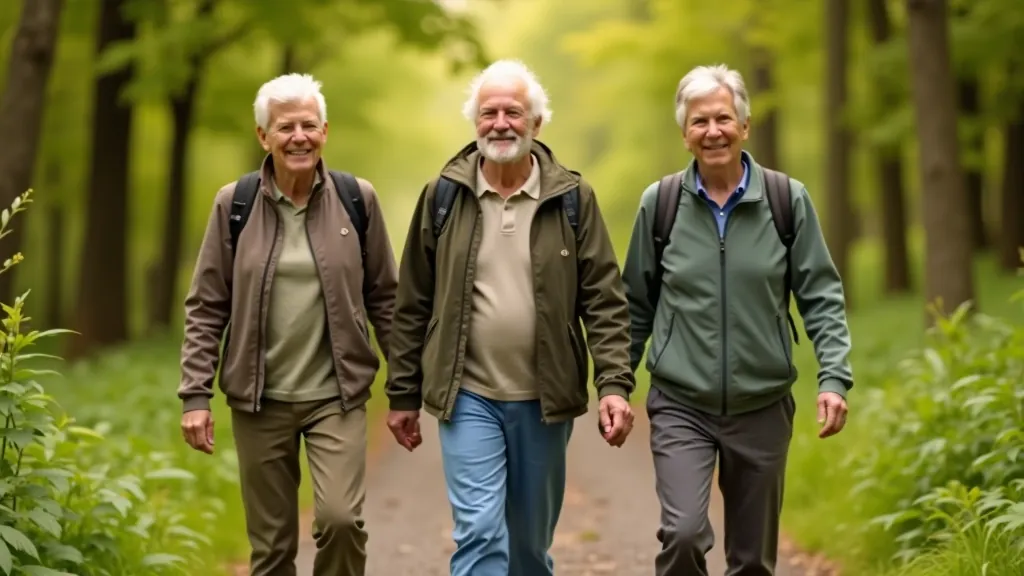

Main Loop Trail: What to Expect
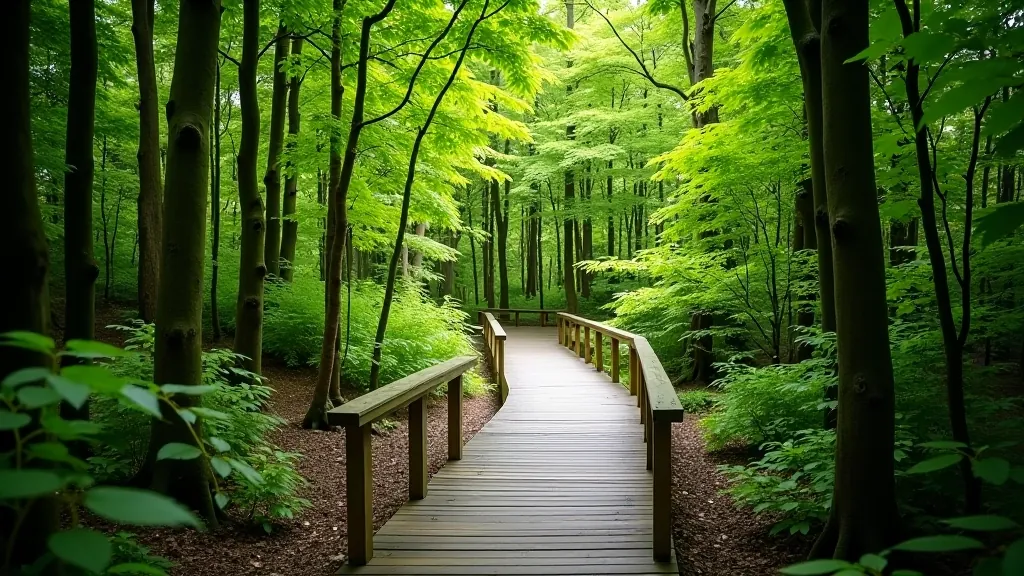
The main circuit takes about 90 minutes at a comfortable pace. Mostly flat with well-maintained paths.
Choosing the right shoes makes all the difference. We've covered the best options and how to stay safe on woodland terrain.
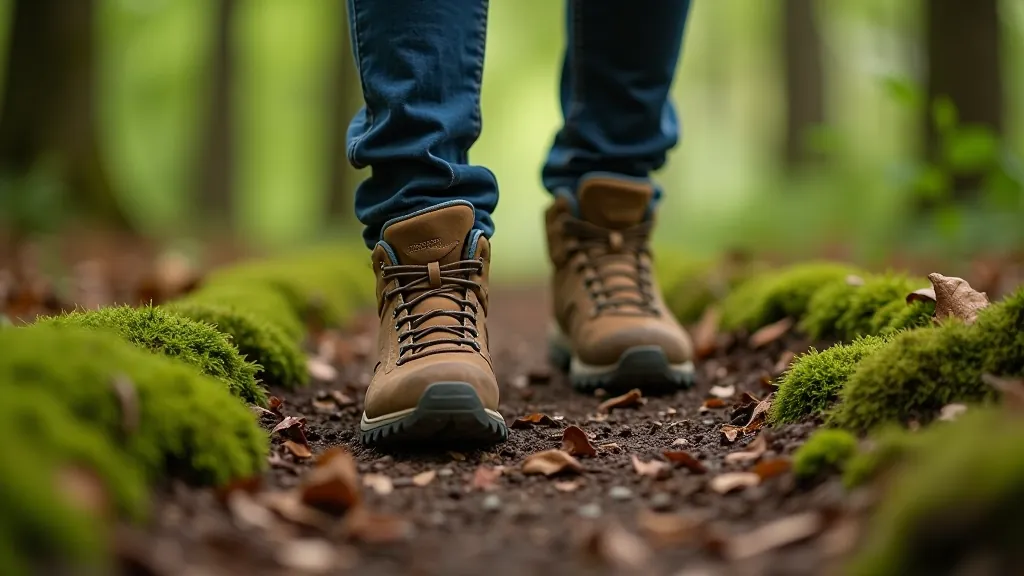

Your feet are the foundation of every walk. They're what carry you through 90 minutes on the Main Loop at Coole Park, and they're what determine whether you'll be sore the next day or ready to go back out. It's not about fancy gear or expensive brands — it's about shoes that fit right and actually support you on uneven woodland ground.
We've worked with hundreds of people over the years, and the difference between those who enjoy their walks and those who struggle? Most of the time it comes down to footwear. Get this right, and everything else falls into place. Your knees don't hurt. Your ankles feel stable. You can actually focus on the scenery instead of your feet.
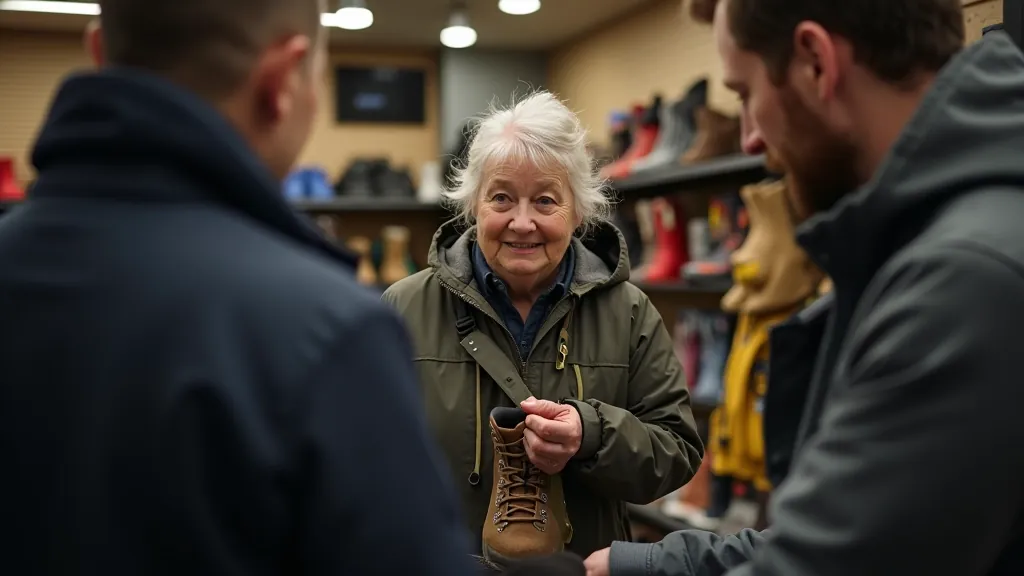
Not everyone needs a full hiking boot. That's actually the first thing to understand. If you're walking mostly flat terrain at Coole Park like the Main Loop, a good trail shoe or waterproof walking shoe will do the job. But if you prefer to feel more supported or you've got weak ankles, a mid-height boot offers extra stability.
Here's what to look for:
Try them on in the afternoon — your feet swell slightly during the day and that's when they're their actual size. Bring the socks you'll wear on walks. Most people need about a thumb's width of space between your longest toe and the end of the shoe.
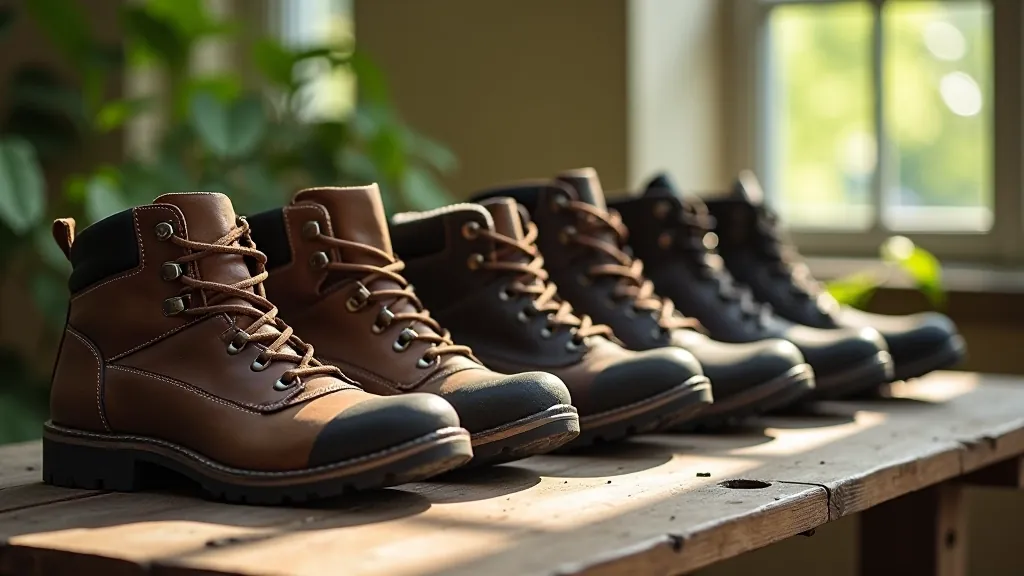
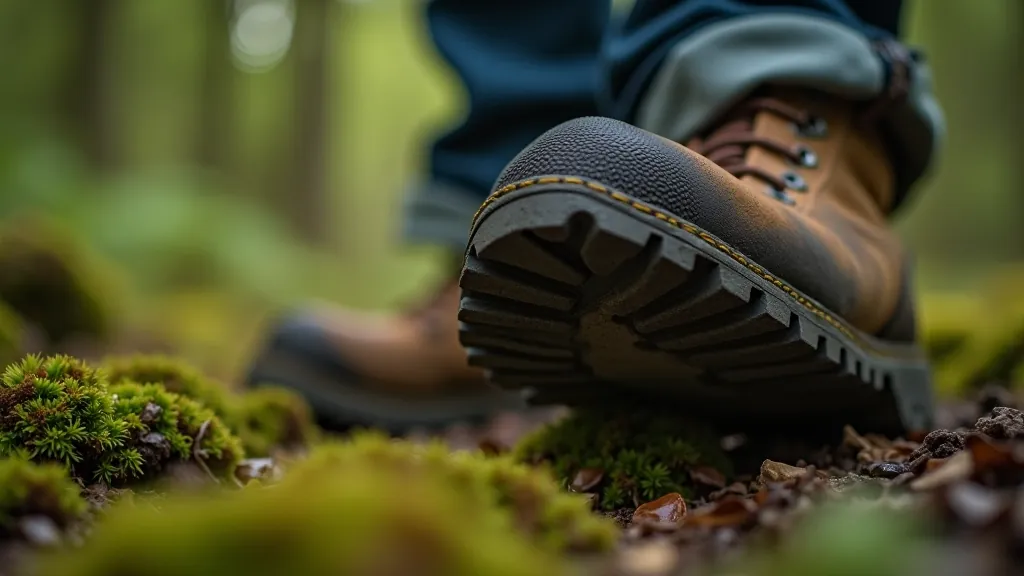
Don't make the mistake of wearing brand new boots on your first long walk. We've seen it happen and it never ends well. Your feet'll be blistered by kilometer two.
Break them in gradually over 2-3 weeks. Wear them around the house. Take a short 20-minute walk. Then a 45-minute one. By the time you're ready for a full 90-minute session at Coole Park, they'll feel like old friends. Your feet adapt to the shoe, the shoe adapts to your feet, and that's when you'll find the comfort you're looking for.
If you develop any hot spots during break-in, that's your signal to stop and reassess. Blisters aren't something you "power through" — they're feedback that something isn't right. Maybe the fit's slightly off, or maybe you need different socks. Address it before it becomes a problem.
This article provides educational information about hiking footwear and general safety practices. It's not a substitute for professional medical advice. If you have existing foot conditions, joint problems, or pain, we'd recommend chatting with your GP or a podiatrist before starting new walking activities. Everyone's feet are different, and what works for one person might need adjusting for another.
Beyond the shoes themselves, there are specific things you can do to stay safe on woodland trails. Most accidents happen when people aren't paying attention or aren't prepared for the terrain.
Watch where you're stepping. Roots are everywhere at Coole Park. They're not going anywhere, and you'll spot them once you know what to look for. Lift your feet slightly higher than you would on pavement — it becomes natural after a few walks. If you're walking with someone, you can point out hazards to each other.
Pace yourself properly. The Main Loop takes 90 minutes at a comfortable pace. Don't try to rush it. You're out there to enjoy the woodland, not to set a speed record. Walking slowly actually reduces your injury risk because you're more stable and can react better to unexpected terrain.
Check weather conditions beforehand. After heavy rain, the ground gets slippery and roots become hazardous. You might want to skip that day or pick a different route that's less technical. No shame in that — it's smart planning.
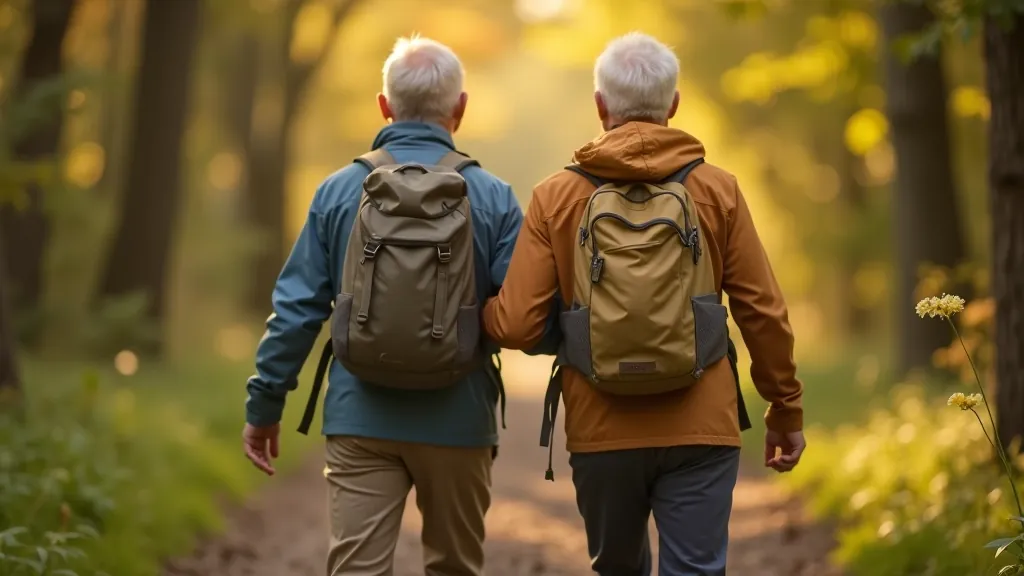
You're not alone on these trails. Coole Park's popular with local walkers, and there's genuine community there. Walking with someone else isn't just more enjoyable — it's also safer. You can help each other navigate tricky sections, and if something does go wrong, you've got someone to help.
If you twist an ankle or feel sharp pain, stop immediately. Don't push through it thinking you'll "walk it off." That's how minor injuries become serious ones. Sit down, assess what happened, and decide if you can continue slowly or if you need to head back. There's no award for finishing if you're injured.
Carry your phone and let someone know where you're going. It's simple but it matters. You probably won't need it, but if you do, you'll be glad it's there. Mobile reception is generally good around Coole Park, but don't assume it's perfect everywhere on the reserve.
Proper footwear and smart safety practices aren't restrictions — they're actually what set you free. When your feet are comfortable and supported, when you're walking at your own pace with attention to the terrain, that's when you can really relax and enjoy being out in nature. You'll notice the birds, the light through the trees, the quiet of the woodland. That's the whole point.
Start with good shoes. Break them in properly. Pay attention to where you're stepping. Walk with others when you can. And remember — every walk at Coole Park is a good walk, whether it's your first or your hundredth.